
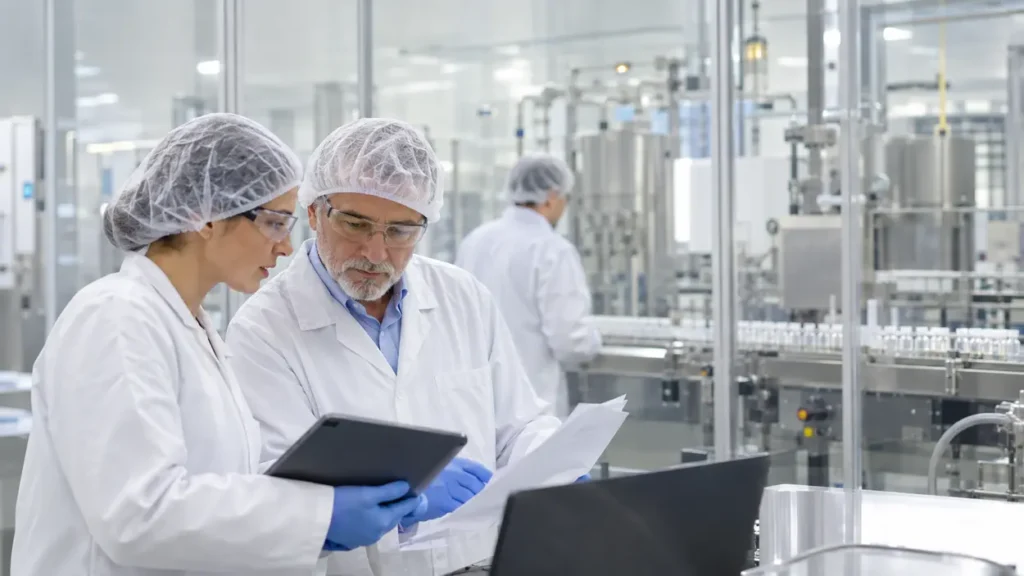
Biologic medicines have transformed the treatment of many serious and chronic diseases, offering targeted therapies for conditions that were once difficult to manage. From autoimmune disorders and cancer to diabetes and rare genetic diseases, these advanced therapies have become an essential part of modern healthcare. However, their complex manufacturing processes and high development costs often translate into expensive treatments, creating financial challenges for healthcare systems and limiting patient access in many parts of the world.
This is where biosimilars are becoming increasingly important. A biosimilar is a biologic medicine that is highly similar to an already approved reference biologic, with no clinically meaningful differences in terms of safety, purity, or effectiveness. Unlike conventional generic medicines, biosimilars are produced using living cells and sophisticated biotechnology processes, making their development scientifically demanding and subject to rigorous regulatory evaluation.
As healthcare providers seek to balance innovation with affordability, biosimilars are emerging as a practical solution that can expand patient access while supporting sustainable healthcare spending. Over the past decade, regulatory agencies across North America, Europe, and many Asia-Pacific markets have established robust approval pathways that continue to strengthen confidence in biosimilar medicines. At the same time, the expiration of patents for several blockbuster biologics has created opportunities for manufacturers to introduce high-quality alternatives across multiple therapeutic areas.
These developments are reshaping the global pharmaceutical landscape. Pharmaceutical manufacturers are investing in advanced biologics manufacturing, governments are encouraging competitive markets, and healthcare professionals are becoming increasingly familiar with biosimilar therapies. Together, these factors are positioning biosimilars as one of the fastest-growing segments of the life sciences industry.
In this article, we explore the biosimilars future of pharma, examining the scientific principles behind biosimilars, the market forces driving their expansion, evolving manufacturing technologies, regulatory developments, and the opportunities and challenges that are likely to influence the next decade of the global pharmaceutical industry.
Understanding Biosimilars and Their Role in Modern Healthcare
Biosimilars have become an increasingly significant part of modern medicine as healthcare systems seek effective ways to improve access to biologic therapies without compromising quality or patient safety. Their growing presence reflects advances in biotechnology, regulatory science, and pharmaceutical manufacturing that have made it possible to develop highly comparable versions of established biologic medicines.
Unlike traditional small-molecule drugs, biologics are produced from living organisms or living cells through highly controlled biotechnology processes. They include complex therapeutic proteins, monoclonal antibodies, hormones, and vaccines that are used to treat chronic, autoimmune, inflammatory, and life-threatening diseases. Because these medicines possess intricate molecular structures and rely on living systems during production, creating an exact copy is scientifically impossible.
For this reason, biosimilars differ fundamentally from generic medicines. Generic drugs are chemically identical copies of conventional medicines with relatively simple molecular structures. Biosimilars, however, are developed through extensive analytical characterization, functional testing, non-clinical assessments, and clinical comparisons to demonstrate that they are highly similar to an approved reference biologic without clinically meaningful differences in safety, purity, or efficacy.
Modern regulatory agencies have established comprehensive scientific frameworks to evaluate biosimilars before they reach patients. The European Medicines Agency (EMA) provides detailed scientific guidance covering biosimilar quality, safety, efficacy, and regulatory assessment. Developers must provide robust evidence demonstrating structural similarity, biological activity, pharmacokinetics, immunogenicity, manufacturing consistency, and overall product quality. Rather than repeating every stage of clinical development performed for the original biologic, biosimilar approval relies on a “totality of evidence” approach that combines analytical, non-clinical, and clinical data to support comparability.
These rigorous standards have strengthened confidence among physicians, pharmacists, healthcare providers, and patients. As more biosimilars receive approval across multiple therapeutic categories, clinical experience continues to expand, helping healthcare professionals better understand their role within evidence-based treatment strategies.
The impact extends beyond regulatory science. Biosimilars contribute to broader healthcare objectives by increasing treatment availability, supporting sustainable pharmaceutical spending, and encouraging continued innovation among biologic manufacturers. As competition grows following patent expirations of major biologic medicines, manufacturers are also investing in improved production technologies, quality systems, and manufacturing efficiency.
Today, biosimilars are widely used in the management of cancers, rheumatoid arthritis, inflammatory bowel disease, psoriasis, diabetes, blood disorders, osteoporosis, and several other chronic conditions. Their expanding role illustrates how scientific innovation and regulatory oversight can work together to improve healthcare accessibility while maintaining high standards of product quality and patient care.
Why the Global Biosimilars Market Is Growing Rapidly
The global biosimilars market has evolved from a niche segment into one of the most dynamic areas of the pharmaceutical industry. While growth patterns differ across regions, several long-term structural factors continue to support broader adoption by healthcare providers, manufacturers, and policymakers.
One of the most influential drivers is the ongoing expiration of patents and market exclusivity for many high-value biologic medicines. Over the past several years, numerous blockbuster therapies used in oncology, immunology, endocrinology, and other specialties have reached the end of their exclusivity periods, allowing biosimilar developers to introduce comparable treatment options after meeting stringent regulatory requirements.
At the same time, the worldwide burden of chronic diseases continues to increase. Aging populations, improved diagnostic capabilities, and longer life expectancy have contributed to rising demand for biologic therapies used in cancer treatment, autoimmune diseases, diabetes, inflammatory disorders, and rare diseases. As patient populations expand, healthcare systems face increasing pressure to deliver advanced therapies while maintaining long-term financial sustainability.
Healthcare affordability has therefore become a central consideration in pharmaceutical policy. Many governments, insurers, and public healthcare organizations view biosimilars as one approach to increasing treatment accessibility while encouraging healthy market competition. Although pricing outcomes vary by country, the introduction of biosimilars can create opportunities for broader patient access and more efficient allocation of healthcare resources.
The pharmaceutical industry has also responded with substantial investments in biosimilar development programs. Established biologics manufacturers, emerging biotechnology companies, and specialized contract development and manufacturing organizations (CDMOs) are expanding capabilities in cell line development, process optimization, analytical characterization, and commercial-scale biologics manufacturing. These investments strengthen global manufacturing capacity while supporting increasingly sophisticated product pipelines.
Emerging healthcare markets are playing an equally important role. Countries across Asia-Pacific, Latin America, the Middle East, and parts of Africa continue to invest in biotechnology infrastructure, regulatory modernization, and domestic pharmaceutical manufacturing. As these healthcare systems mature, biosimilars are expected to become an increasingly important component of treatment strategies for complex diseases.
Rather than being driven by a single factor, the continued expansion of the biosimilars market reflects the combined influence of scientific progress, regulatory maturity, manufacturing innovation, healthcare affordability initiatives, and growing global demand for advanced biologic medicines.
Key Industry Trends Driving Biosimilar Adoption
The continued expansion of the biosimilars market is supported by a combination of scientific progress, healthcare policy, and advances in pharmaceutical manufacturing. While adoption varies by country and therapeutic area, several long-term industry trends are creating a more favorable environment for biosimilar development and use.
Greater Focus on Healthcare Affordability
Healthcare systems around the world continue to face increasing demand for advanced biologic therapies while managing limited financial resources. As populations age and the prevalence of chronic diseases rises, governments, insurers, and healthcare providers are looking for ways to improve treatment accessibility without compromising quality.
Biosimilars contribute to this objective by introducing additional treatment options once reference biologics lose market exclusivity. Although pricing and reimbursement policies differ across countries, increased market competition can help healthcare systems optimize pharmaceutical spending while expanding patient access to important therapies.
Healthcare affordability has become an important focus for policymakers worldwide, and the OECD Health programme regularly examines how countries can improve healthcare efficiency while maintaining access to innovative medicines.
Increasing Physician Confidence
Clinical confidence has grown steadily as healthcare professionals gain more experience with approved biosimilars. Regulatory agencies require extensive analytical comparisons and clinical evidence before granting approval, helping physicians better understand the scientific foundation behind biosimilar development.
In addition, real-world clinical experience and post-market safety monitoring have continued to strengthen confidence in biosimilar prescribing across multiple therapeutic areas. Educational initiatives led by healthcare organizations, professional societies, and regulators have also improved understanding among physicians, pharmacists, and patients.
More Mature Regulatory Frameworks
One of the biggest developments over the past decade has been the establishment of well-defined biosimilar approval pathways. Regulatory authorities have refined scientific guidelines covering analytical comparability, manufacturing consistency, clinical evaluation, pharmacovigilance, and lifecycle management.
As regulatory expectations become increasingly harmonized across global markets, pharmaceutical companies can develop more efficient development strategies while maintaining rigorous quality standards.
International scientific harmonization is also supported through guidance published by the International Council for Harmonisation (ICH), which helps promote consistent pharmaceutical quality standards across multiple regulatory regions.
Advances in Biologics Manufacturing
Manufacturing technologies continue to evolve rapidly, making biosimilar production more efficient and consistent than ever before. Modern facilities increasingly utilize:
- Single-use bioreactor systems
- Advanced cell culture platforms
- Continuous manufacturing technologies
- Digital process monitoring
- Automated quality control systems
- High-resolution analytical characterization
These innovations improve manufacturing consistency while helping companies scale production without compromising product quality.
Manufacturers are also investing heavily in digital manufacturing, process analytical technology (PAT), artificial intelligence for process optimization, and predictive maintenance to improve operational efficiency throughout biologics production.
Stronger Competition Across the Biologics Market
Competition within biologics has expanded significantly as additional manufacturers enter the biosimilars sector. Rather than competing solely on price, companies increasingly differentiate themselves through manufacturing reliability, supply chain resilience, global regulatory expertise, and expanded product portfolios.
This competitive environment encourages continued investment in manufacturing excellence, process innovation, and long-term product quality, benefiting healthcare providers and patients alike.
🏢 Featured Biotech Industry Partner
Looking for verified and trusted biotechnology partners related to this topic? Explore our comprehensive directory.
Explore Directory →Greater Patient Awareness
Patients today have access to significantly more educational resources than ever before. Healthcare providers, patient advocacy groups, and regulatory agencies increasingly publish information explaining how biosimilars are developed, evaluated, and monitored.
Improved transparency has helped address misconceptions surrounding biosimilars while encouraging informed discussions between patients and healthcare professionals. As public understanding continues to improve, patient confidence is expected to strengthen further.
Which Therapeutic Areas Are Leading Biosimilar Growth?
The adoption of biosimilars differs across therapeutic areas depending on disease prevalence, biologic utilization, clinical evidence, regulatory approvals, and healthcare priorities. While some specialties have embraced biosimilars earlier than others, several disease areas now represent the largest share of global biosimilar development and commercialization.
Oncology
Cancer care remains one of the most significant areas for biosimilar adoption. Many of the world’s highest-selling biologic medicines are used to treat various cancers or to support patients undergoing chemotherapy.
As patents for these biologics expire, biosimilar manufacturers have introduced alternatives for treatments involving supportive oncology care and targeted biologic therapies. This has expanded treatment options while supporting broader access in healthcare systems managing increasing cancer incidence.
Because oncology relies heavily on evidence-based clinical practice, regulatory agencies require extensive comparability data before approving biosimilars for cancer-related indications.
Global cancer statistics published by the International Agency for Research on Cancer (IARC) continue to highlight the increasing demand for advanced oncology treatments worldwide.
Autoimmune Diseases
Autoimmune disorders represent another major area of biosimilar growth. Diseases such as rheumatoid arthritis, psoriasis, ankylosing spondylitis, Crohn’s disease, ulcerative colitis, and inflammatory bowel disease often require long-term biologic therapy.
Because these conditions affect millions of patients globally, expanding access to biologic treatment remains an important healthcare objective. Biosimilars have become increasingly integrated into treatment strategies as physicians gain confidence through clinical evidence and accumulated prescribing experience.
Growing numbers of approved biosimilars targeting inflammatory pathways continue to broaden therapeutic choices for healthcare providers.
Diabetes Care
Insulin has transformed diabetes management for decades, and advances in biotechnology have supported the development of biosimilar insulin products in several markets.
Although insulin manufacturing presents unique technical challenges, biosimilar insulin has the potential to improve treatment accessibility while maintaining rigorous standards for quality, safety, and clinical performance.
As diabetes prevalence continues to increase worldwide, expanding manufacturing capacity and improving supply resilience remain important priorities for both healthcare systems and pharmaceutical manufacturers.
Hematology
Biosimilars play an important role in hematology by supporting treatments for blood disorders and cancer-related supportive care.
Products such as erythropoietins, granulocyte colony-stimulating factors (G-CSFs), and monoclonal antibodies have demonstrated how biosimilars can contribute to broader treatment availability across multiple healthcare settings.
The combination of established clinical experience and mature regulatory pathways has made hematology one of the earliest and most successful therapeutic areas for biosimilar adoption.
Ophthalmology
Ophthalmology is emerging as one of the fastest-developing biosimilar segments. Retinal diseases such as age-related macular degeneration (AMD), diabetic macular edema (DME), and retinal vein occlusion increasingly rely on biologic therapies that preserve vision.
As patents for several ophthalmic biologics expire, manufacturers are investing in biosimilar development programs designed to expand treatment options for patients requiring long-term intravitreal therapy.
Continued advances in analytical characterization and manufacturing consistency are expected to support further growth in this specialized therapeutic area.
How Biosimilars Are Transforming Pharmaceutical Manufacturing
The rapid growth of biosimilars is influencing not only the commercial landscape of the pharmaceutical industry but also the way biologic medicines are developed and manufactured. Unlike conventional small-molecule drugs, biosimilars require sophisticated production processes involving living cells, highly controlled manufacturing environments, and extensive analytical characterization. As a result, manufacturers are investing in advanced technologies and operational excellence to meet stringent quality expectations while improving production efficiency.
Complex Manufacturing Requires Scientific Precision
Every stage of biosimilar production—from cell line development and upstream processing to purification, formulation, and aseptic filling—must be carefully controlled. Even minor variations in manufacturing conditions can influence critical quality attributes such as protein structure, glycosylation patterns, and biological activity.
To maintain product consistency, manufacturers implement robust process controls supported by advanced analytical methods. These technologies help verify that each production batch remains highly comparable to the reference biologic while meeting predefined quality specifications.
Investment in Advanced Manufacturing Facilities
Growing demand for biologics and biosimilars has accelerated investment in modern manufacturing infrastructure across North America, Europe, and Asia-Pacific. Companies are expanding existing facilities while building new biopharmaceutical manufacturing plants equipped with automated production systems, high-capacity bioreactors, and digital quality management platforms.
Many facilities now incorporate:
- Single-use bioprocessing technologies
- Continuous manufacturing capabilities
- Automated environmental monitoring
- Robotics-assisted aseptic operations
- Real-time process analytical technology (PAT)
- Electronic batch record management systems
These investments improve manufacturing flexibility, reduce contamination risks, and support efficient scale-up for commercial production.
Analytical Technologies Continue to Advance
Analytical science plays a central role in biosimilar development. Manufacturers employ highly sensitive technologies to compare molecular structure, purity, biological activity, stability, and immunogenicity with the reference product.
Common analytical techniques include:
- Mass spectrometry
- High-performance liquid chromatography (HPLC)
- Capillary electrophoresis
- Nuclear magnetic resonance (NMR)
- Bioassays
- Peptide mapping
The increasing sophistication of these analytical platforms enables developers to detect even subtle molecular differences, strengthening confidence in biosimilar comparability.
Digital Manufacturing and Process Optimization
Digital transformation is becoming an essential component of biologics manufacturing. Manufacturers increasingly integrate artificial intelligence, machine learning, advanced sensors, and predictive analytics into production environments to improve process consistency and operational efficiency.
Digital manufacturing technologies help organizations:
- Monitor production in real time
- Predict equipment maintenance requirements
- Optimize process parameters
- Improve yield consistency
- Reduce production variability
- Strengthen data integrity
Rather than replacing scientific expertise, these digital tools support informed decision-making throughout the manufacturing lifecycle.
Building Scalable Global Manufacturing Networks
As biosimilar demand expands internationally, manufacturers are strengthening global production networks through regional manufacturing hubs, technology transfer programs, and strategic partnerships. Multi-site manufacturing strategies improve supply chain resilience while enabling companies to serve multiple regulatory markets more efficiently.
Scalable manufacturing capacity has become increasingly important as healthcare systems seek reliable access to biologic medicines across diverse therapeutic areas.
Challenges That Continue to Shape the Biosimilars Industry
Although biosimilars represent one of the fastest-growing segments of modern pharmaceuticals, their development remains scientifically demanding. Manufacturers must balance innovation, regulatory expectations, manufacturing complexity, and commercial sustainability while ensuring that patients receive safe, effective, and high-quality therapies.
Rather than limiting industry growth, these challenges continue to drive improvements in technology, quality systems, and international collaboration.
Manufacturing Complexity
Unlike chemically synthesized medicines, biologics are produced using living cells. Maintaining consistent production conditions throughout upstream and downstream processing requires sophisticated manufacturing expertise, highly controlled environments, and continuous quality monitoring.
Even small manufacturing changes may influence critical product characteristics, making process control one of the industry’s highest priorities.
🏢 Featured Biotech Industry Partner
Looking for verified and trusted biotechnology partners related to this topic? Explore our comprehensive directory.
Explore Directory →Significant Development Investment
Developing a biosimilar requires years of research, analytical characterization, process development, manufacturing validation, and regulatory documentation. Companies also invest heavily in specialized facilities, quality management systems, and highly trained scientific teams.
Although development costs are generally lower than those associated with creating a completely new biologic, biosimilar programs still require substantial financial and technical resources.
Evolving Regulatory Requirements
Global regulatory agencies continue refining biosimilar guidance as scientific knowledge advances. Manufacturers must demonstrate comprehensive evidence supporting quality, safety, efficacy, and manufacturing consistency while complying with country-specific regulatory requirements.
Companies operating internationally often manage multiple regulatory submissions simultaneously, requiring extensive regulatory expertise and careful documentation.
Physician and Patient Education
While confidence in biosimilars continues to increase, education remains important for healthcare professionals and patients unfamiliar with biosimilar development.
Scientific communication, clinical evidence, pharmacovigilance data, and transparent regulatory processes all contribute to informed treatment decisions and broader understanding of biosimilar medicines.
Competitive Market Dynamics
As more manufacturers enter the biosimilars market, competition extends beyond product development. Companies increasingly compete through manufacturing efficiency, regulatory expertise, reliable supply chains, portfolio diversification, and global market access.
This competitive environment encourages continuous investment in operational excellence and product quality.
Global Supply Chain Resilience
Biologics manufacturing depends upon specialized raw materials, cell culture media, single-use technologies, analytical reagents, and cold-chain logistics. Maintaining reliable supply chains has become increasingly important as manufacturers expand production across multiple international markets.
Many companies are strengthening supplier diversification, regional manufacturing capabilities, and inventory management strategies to improve long-term resilience.
Regulatory Landscape Supporting Biosimilar Expansion
Strong regulatory oversight has been fundamental to the growth of the global biosimilars market. Regulatory authorities have established rigorous scientific frameworks that ensure biosimilars meet high standards for quality, safety, and clinical performance before they become available to patients.
Although specific regulatory pathways vary across jurisdictions, the underlying scientific principles remain largely consistent and emphasize robust evidence, manufacturing quality, and ongoing post-market surveillance.
Scientific Comparability
The cornerstone of biosimilar approval is demonstrating high similarity to an approved reference biologic. Developers conduct extensive analytical studies comparing molecular structure, biological function, purity, stability, and other critical quality attributes.
This analytical evidence forms the foundation of the regulatory review process.
Clinical Evidence
Depending on the product, regulators may require comparative pharmacokinetic studies, pharmacodynamic evaluations, immunogenicity assessments, and confirmatory clinical studies.
The objective is to demonstrate that there are no clinically meaningful differences between the biosimilar and its reference medicine.
Manufacturing Quality Standards
Manufacturing facilities producing biosimilars must comply with internationally recognized Good Manufacturing Practice (GMP) requirements. Regulatory inspections evaluate production processes, quality management systems, documentation practices, environmental controls, and manufacturing consistency.
These inspections help maintain confidence throughout the product lifecycle.
Pharmacovigilance
Regulatory oversight continues after product approval through pharmacovigilance programs that monitor safety in real-world clinical use.
Manufacturers work closely with healthcare providers and regulatory authorities to collect adverse event reports, evaluate safety signals, and ensure continued patient protection.
International Harmonization
Organizations including the FDA, EMA, WHO, and ICH continue collaborating to improve scientific consistency across global regulatory systems.
Although regional differences remain, increasing harmonization helps manufacturers navigate international development programs while maintaining high quality standards.
Opportunities for Pharmaceutical Manufacturers in the Biosimilars Market
As the biosimilars market matures, pharmaceutical companies are adapting their strategies to meet growing global demand for biologic medicines. Rather than focusing solely on product launches, manufacturers are investing across the entire value chain—from research and development to advanced manufacturing, strategic partnerships, and international market expansion. These initiatives are helping organizations strengthen long-term competitiveness while supporting broader access to high-quality biologic therapies.
Strategic Partnerships and Collaborations
Developing a biosimilar requires expertise in cell line development, process engineering, analytical characterization, regulatory affairs, and commercial manufacturing. To combine these capabilities efficiently, many pharmaceutical companies are forming strategic partnerships with biotechnology firms, research institutions, and specialized service providers.
Collaborative development models can accelerate knowledge sharing, reduce development timelines, and support technology transfer while maintaining high standards for product quality and regulatory compliance.
Expanding Manufacturing Capacity
Growing demand for biologics has encouraged manufacturers to expand production capacity through new facilities, modernization of existing plants, and investment in flexible manufacturing technologies.
Many organizations are building facilities designed to support multiple products using modular cleanrooms, single-use systems, and automated production platforms. These investments improve manufacturing agility while supporting future portfolio expansion.
Collaborating with CDMOs
Contract Development and Manufacturing Organizations (CDMOs) have become important partners within the biosimilars ecosystem. Their expertise in process development, scale-up, analytical testing, regulatory documentation, and commercial manufacturing enables pharmaceutical companies to optimize resources while accelerating development programs.
For smaller biotechnology companies, CDMO partnerships can also provide access to specialized infrastructure that may not be available internally.
Technology Transfer and Knowledge Sharing
Successful biosimilar manufacturing depends on effective technology transfer between research laboratories, pilot facilities, and commercial manufacturing sites. Standardized documentation, process validation, and robust quality systems help ensure manufacturing consistency across different production locations.
Knowledge-sharing initiatives between global manufacturing teams also contribute to continuous process improvement and operational excellence.
Expanding into Emerging Markets
Healthcare systems across Asia-Pacific, Latin America, the Middle East, and parts of Africa continue investing in biotechnology infrastructure and biologics manufacturing. These regions present opportunities for pharmaceutical companies to expand their biosimilar portfolios while working closely with local regulatory authorities and healthcare providers.
🏢 Featured Biotech Industry Partner
Looking for verified and trusted biotechnology partners related to this topic? Explore our comprehensive directory.
Explore Directory →Regional manufacturing partnerships may also strengthen supply chain resilience and improve access to biologic medicines in rapidly growing healthcare markets.
Portfolio Diversification
Many established pharmaceutical companies are expanding beyond traditional small-molecule medicines by investing in biosimilars alongside innovative biologics, specialty medicines, and next-generation therapeutic platforms.
A diversified portfolio allows manufacturers to respond more effectively to changing healthcare needs while balancing innovation with broader patient accessibility.
Future Outlook: Will Biosimilars Define the Next Era of Pharma?
The future of biosimilars will likely be shaped by continuous scientific innovation rather than any single technological breakthrough. Advances in biotechnology, manufacturing science, digital transformation, and regulatory collaboration are creating an environment where biosimilars can play an increasingly important role alongside innovative biologic medicines.
Rather than replacing innovation, biosimilars complement the broader pharmaceutical ecosystem by expanding treatment options after reference biologics reach the end of their exclusivity periods.
Precision Medicine and Personalized Healthcare
As precision medicine continues to evolve, biologic therapies are becoming more targeted toward specific disease mechanisms and patient populations. Biosimilars are expected to support this trend by improving long-term access to established biologic treatments while allowing healthcare systems to allocate resources toward future therapeutic innovations.
Artificial Intelligence in Biologics Manufacturing
Artificial intelligence and advanced data analytics are increasingly supporting biologics manufacturing through predictive maintenance, process optimization, quality monitoring, and manufacturing automation.
Although human expertise remains essential, digital technologies can improve manufacturing efficiency and strengthen process consistency throughout commercial production.
Sustainable Manufacturing Practices
Environmental sustainability is becoming an important consideration for pharmaceutical manufacturers. Companies are investing in energy-efficient facilities, waste reduction initiatives, responsible water management, and optimized supply chain operations.
Many modern biologics manufacturing facilities are designed with sustainability objectives alongside operational excellence and regulatory compliance.
Improved Global Accessibility
As regulatory pathways mature and manufacturing capacity expands, more healthcare systems may gain access to biosimilar medicines across a wider range of therapeutic areas.
Continued international collaboration among manufacturers, regulators, healthcare providers, and research organizations will remain important in supporting equitable access while maintaining rigorous scientific standards.
Continued Pharmaceutical Innovation
The growth of biosimilars does not diminish the importance of innovative biologic research. Instead, both segments are expected to evolve together, contributing to a balanced pharmaceutical ecosystem that encourages scientific discovery while improving treatment accessibility for patients worldwide.
Looking ahead, the biosimilars future of pharma will likely be defined by high-quality manufacturing, regulatory excellence, digital innovation, and continued collaboration across the global life sciences community.
Frequently Asked Questions
What is a biosimilar medicine?
A biosimilar is a biologic medicine that is highly similar to an already approved reference biologic. It is developed using advanced biotechnology and must demonstrate no clinically meaningful differences in safety, purity, or effectiveness compared with the original medicine. Unlike generic drugs, biosimilars cannot be exact molecular copies because biologics are produced using living cells.
How are biosimilars approved?
Regulatory agencies evaluate biosimilars through a comprehensive scientific review that includes analytical characterization, manufacturing quality assessments, comparative laboratory studies, and, where appropriate, clinical evidence. Approval is based on demonstrating high similarity to the reference biologic while meeting strict quality, safety, and efficacy standards.
Are biosimilars as effective as biologics?
Approved biosimilars must demonstrate no clinically meaningful differences from their reference biologics regarding safety, purity, and clinical effectiveness. Regulatory authorities require extensive comparability data before granting approval, ensuring that biosimilars meet rigorous scientific standards.
Why are biosimilars becoming more popular worldwide?
Several factors are contributing to increased biosimilar adoption, including growing demand for biologic therapies, patent expirations, healthcare affordability initiatives, regulatory support, and advances in manufacturing technology. Together, these factors help improve patient access while encouraging healthy competition within the pharmaceutical industry.
What challenges do biosimilar manufacturers face?
Biosimilar manufacturers must address complex production processes, substantial research and development investment, evolving regulatory requirements, manufacturing consistency, supply chain resilience, and increasing market competition. Ongoing advances in biotechnology and quality management continue to support progress in these areas.
Final Thoughts
Biosimilars are becoming an increasingly important part of the global pharmaceutical landscape, driven by advances in biotechnology, expanding regulatory frameworks, and growing demand for accessible biologic therapies. Their development reflects a careful balance between scientific innovation and the practical need to improve patient access to high-quality treatments for chronic and complex diseases.
As biologic medicines continue to play a larger role in modern healthcare, biosimilars offer healthcare systems an opportunity to support sustainable spending while maintaining rigorous standards for quality, safety, and clinical performance. Continued investment in advanced manufacturing technologies, analytical science, and robust quality management systems will remain essential for ensuring consistent product excellence.
Equally important is the role of regulatory authorities, healthcare professionals, manufacturers, and researchers in maintaining public confidence through transparent scientific evaluation, effective pharmacovigilance, and ongoing education. These collaborative efforts strengthen trust in biosimilar medicines and support their responsible integration into clinical practice.
Looking ahead, the biosimilars future of pharma will be shaped by continuous innovation, digital manufacturing, international collaboration, and evolving healthcare needs. While the industry will continue to face scientific and operational challenges, biosimilars are well positioned to contribute to a more resilient, accessible, and innovation-driven biologics ecosystem over the coming decade.