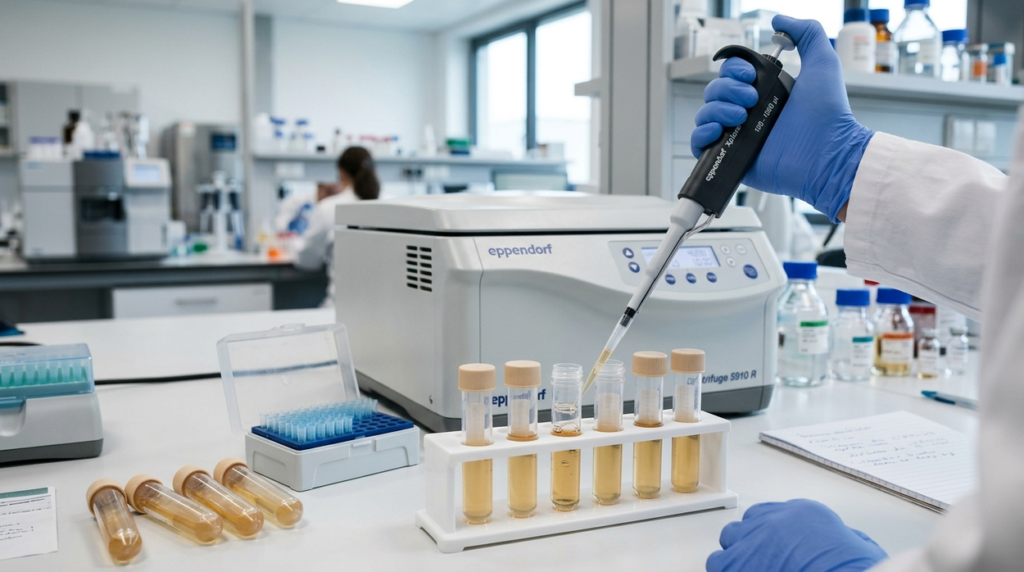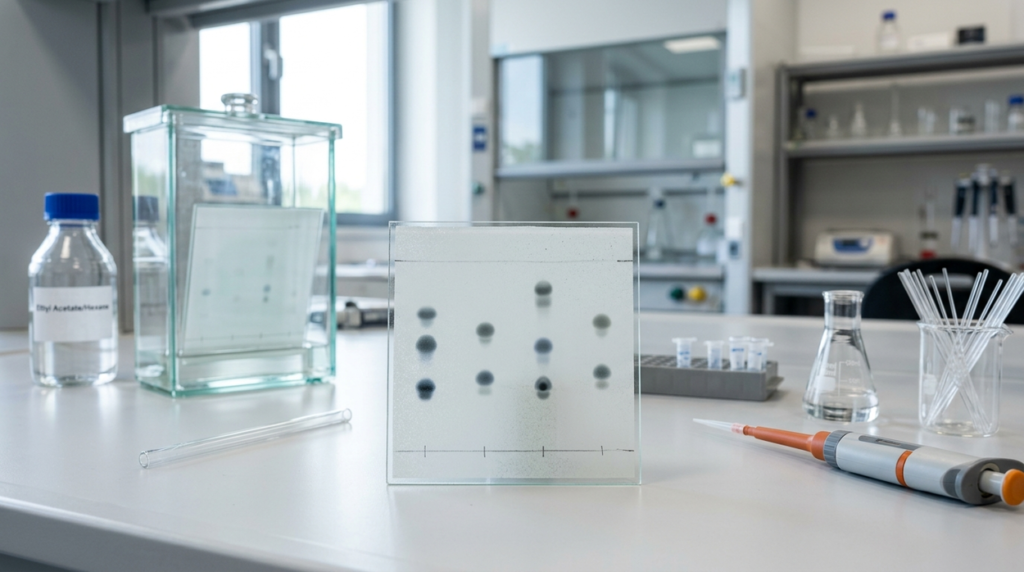
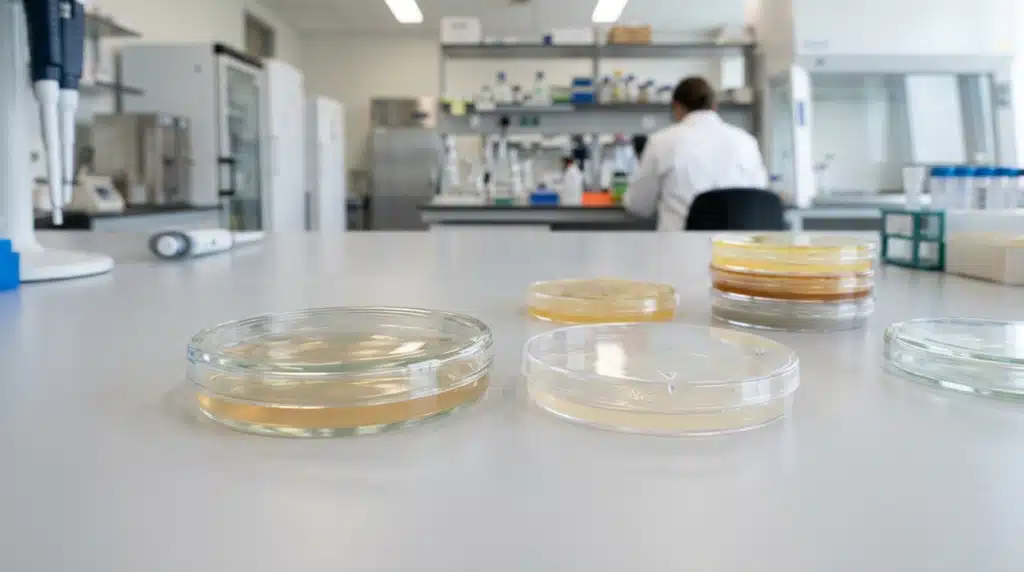
Choosing between glass and plastic Petri dishes involves more than comparing durability, convenience, or purchase price. In a microbiology laboratory, the material, surface characteristics, sterility status, dimensions, and compatibility with the experimental method can all influence how efficiently and consistently culture work is performed.
Reusable glass Petri dishes may suit laboratories with established washing and sterilization systems, while disposable plastic dishes offer practical advantages for routine microbiology, pharmaceutical quality control, and high-throughput testing. Neither option is universally superior. The appropriate choice depends on the intended application, contamination-control requirements, laboratory resources, and applicable test procedures.
For microbiology researchers, pharmaceutical manufacturers, laboratory managers, and procurement professionals, understanding these differences helps prevent unnecessary costs and avoidable changes to established workflows. This guide compares glass vs. plastic Petri dishes, examines their suitability for different applications, and provides a practical framework for selecting microbiology laboratory consumables.
What Actually Differs Between Glass and Plastic Petri Dishes?
Although both materials are used to hold solid culture media, their physical properties and intended uses differ. These differences influence handling, reprocessing, availability, and compatibility with specific laboratory procedures.
Glass Petri Dishes: Reusable Laboratory Vessels
Glass Petri dishes are rigid, transparent vessels that can be reused when the product is designed for repeated use and the laboratory follows appropriate cleaning and sterilization procedures. Their durability can be useful in laboratories that already process reusable glassware as part of established workflows.
Glass also resists many common laboratory chemicals, although compatibility depends on the glass composition, chemical concentration, temperature, and exposure duration. Product specifications should therefore take precedence over assumptions about universal chemical resistance.
Reuse introduces additional responsibilities. Each dish must be cleaned, inspected, dried, and sterilized using a procedure appropriate to its design and intended application. Residual culture medium, detergent, scratches, chips, and damaged edges can compromise usability or create handling hazards.
Glass dishes are also heavier and more vulnerable to brittle fracture than most disposable plastic alternatives. Their suitability depends not only on their initial quality but also on their condition after repeated processing.
Plastic Petri Dishes: Disposable and Application-Specific Designs
Disposable Petri dishes are commonly manufactured from polystyrene, although other polymers and specialized constructions are available. Many microbiology dishes are supplied sterile in protective packaging, allowing laboratories to introduce them into routine workflows without washing and sterilizing each dish before use.
Plastic dishes are lightweight, easy to handle, and widely available in standardized formats. However, product specifications vary in dimensions, material grade, lid design, packaging, sterility status, and intended application.
An important distinction is the difference between a standard bacteriological dish and a tissue-culture-treated dish. Tissue-culture-treated surfaces are modified to support the attachment and growth of many adherent mammalian cells. Conventional bacterial culture on solidified agar generally does not require this treatment.
Researchers should also avoid assuming that all plastic dishes tolerate high temperatures or can be autoclaved. Many disposable polystyrene products are explicitly designated for single use and are not autoclavable. Reuse or additional sterilization should only be considered when the manufacturer expressly permits it and the intended procedure supports it.
Why the Dish Surface Matters as Much as the Material
Surface characteristics can influence how liquids spread, how residues adhere, and how cells or microorganisms interact with a culture vessel. The effect depends on the biological system and experimental method.
For routine microbial culture, the primary considerations typically include the agar medium, plate dimensions, surface moisture, inoculation method, and incubation conditions. For adherent mammalian cell culture, surface chemistry and treatment can be much more consequential because attachment to the vessel is part of the culture process.
Consequently, a glass-versus-plastic comparison cannot establish that one material will always produce better growth or more reliable results. Laboratories should match the dish to the intended organism, medium, and validated procedure, using manufacturer documentation for application-specific claims.
Glass vs. Plastic Petri Dishes: A Side-by-Side Comparison
The following comparison summarizes typical differences. Actual performance depends on the specific product, its condition, and the laboratory’s procedures.
| Selection factor | Glass Petri dishes | Plastic Petri dishes |
| Reuse | Reusable when designed for it and properly reprocessed | Usually intended for single use |
| Sterilization | May support validated heat sterilization, depending on design | Depends on polymer and manufacturer instructions |
| Breakage | Can chip, crack, or break | Generally less susceptible to brittle fracture |
| Weight | Typically heavier | Typically lighter |
| Surface characteristics | Depend on glass type, cleanliness, and preparation | Depend on polymer, manufacturing, and surface treatment |
| Ready-to-use availability | Requires appropriate preparation if supplied nonsterile | Sterile, prepackaged options are widely available |
| Waste generation | Can reduce disposable dish waste, but requires reprocessing | Generates recurring solid waste |
| Cost considerations | Includes cleaning, labor, sterilization, and replacement | Includes recurring purchases, packaging, and disposal |
| Procurement priorities | Durability, dimensions, glass quality, and reprocessing compatibility | Sterility, material grade, dimensions, packaging, and intended use |
This is a general comparison rather than a universal product specification. The manufacturer’s instructions and the laboratory’s approved method take precedence.
Which Differences Affect Experimental Reliability?
Neither glass nor plastic inherently guarantees more reliable cultures. Reliability depends on whether the dish is suitable for the method and whether the laboratory consistently controls relevant variables.
A sterile disposable dish may simplify preparation, but it does not eliminate contamination risks caused by poor aseptic technique or damaged packaging. Similarly, a reusable glass dish can perform appropriately when cleaning and sterilization are effective, but inadequate reprocessing may introduce unwanted variability.
Changes to dish material, dimensions, supplier, or surface treatment can also affect established procedures. Where these characteristics are relevant to a test, the laboratory should assess comparability before introducing the change. The extent of verification should reflect the method, the risks involved, and applicable quality-system requirements.
When Glass Petri Dishes Make Sense in Microbiology Laboratories
Laboratories With Established Washing and Sterilization Systems
Reusable glass can be a practical choice when a laboratory already has the equipment, staff, storage space, and validated procedures needed to process glassware efficiently.
The decision should account for the entire reprocessing cycle. Dishes must be collected, cleaned, inspected, dried, sterilized, and stored without subsequent contamination. Residual detergents or culture material must be controlled, and the sterilization process must be suitable for the product and intended use.
Throughput is equally important. A laboratory processing a modest number of dishes may find reuse manageable, while a high-volume facility may encounter bottlenecks if washing or sterilization capacity cannot meet demand.
Repeated-Use Applications and Specialized Procedures
Glass may suit repeated-use applications when the protocol permits it and the vessel retains the required dimensions, surface condition, and lid fit.
Before adopting reusable glass, laboratories should confirm that repeated cleaning and sterilization do not compromise the intended function. Damaged dishes should be removed from service rather than retained simply because they remain physically usable.
Limitations That Can Make Glass Less Practical
The principal disadvantages are operational rather than purely material-related:
🏢 Featured Laboratory Suppliers Directory Listing
Looking for verified and trusted laboratory suppliers partners related to this topic? Explore our comprehensive directory.
Explore Directory →- Breakage and injury: Chips and cracks create handling hazards and require replacement.
- Labor requirements: Cleaning, inspection, and sterilization consume staff time.
- Reprocessing failures: Residues or inadequate sterilization can compromise the intended preparation.
- Turnaround delays: Dishes may be unavailable while processing cycles are completed.
- Condition variability: Repeated use can introduce differences if inspection and replacement criteria are inadequate.
Glass is most defensible when the laboratory can demonstrate that reuse is reliable, practical, and compatible with its experimental procedures.
When Disposable Plastic Petri Dishes Are the Better Operational Choice
Routine Culture Work and High-Throughput Testing
Disposable plastic dishes are often convenient for routine bacterial and fungal culture because sterile, ready-to-use formats are widely available. They eliminate the need to wash and sterilize individual dishes between uses, helping laboratories plan workload and consumable requirements more predictably.
For facilities handling many samples, removing reprocessing from the workflow can reduce labor demands and prevent clean-dish shortages caused by equipment bottlenecks.
These advantages do not replace aseptic technique. Dishes must be stored correctly, inspected before use, handled appropriately, and discarded according to the laboratory’s procedures.
Pharmaceutical Quality Control and Environmental Monitoring
Pharmaceutical microbiology laboratories may use disposable culture plates for microbial enumeration, specified microbiological tests, and environmental monitoring when the selected format is compatible with the applicable method.
Here, consistency and documentation are especially important. Relevant considerations include:
- Dimensional consistency and usable culture area.
- Sterility status and packaging integrity.
- Lot identification and traceability.
- Supplier quality documentation and change notification.
- Compatibility with the specified medium, sampling procedure, and incubation conditions.
A Petri dish is only one component of the complete test system. Results also depend on media preparation, sampling, incubation, growth-promotion or other applicable controls, and established acceptance criteria.
Pharmaceutical laboratories should follow the applicable pharmacopoeial method, approved procedure, and quality-system requirements rather than assume that a particular material is universally mandated. Supplier qualification and documented purchasing controls may also form part of the laboratory’s broader quality approach, as discussed in BioPharmaIndex’s coverage of EU GMP guidelines and supply-chain audits.
Situations Where Disposable Plastic Needs Additional Scrutiny
Before purchasing plastic dishes, verify that the product is suitable for the intended temperature, medium, chemicals, and incubation conditions. Confirm whether it is sterile or nonsterile and review the packaging and storage instructions.
Do not assume that a disposable dish can be autoclaved or reused. If the product is designed for single use, follow that limitation. Laboratories should also consider the volume of waste generated and the applicable procedures for disposing of contaminated cultureware.
How Petri Dish Material Affects Specific Microbiology Experiments
Bacterial and Fungal Culture on Solid Media
For routine culture on agar, the dish provides a controlled physical environment in which microorganisms can grow and be observed. Plate geometry, agar depth, medium composition, surface moisture, inoculation, and incubation conditions can all affect the resulting culture.
Standard disposable plastic dishes are convenient for many routine workflows because of their availability and consistent formats. Reusable glass can also be suitable when the method accepts it and the dimensions and preparation procedures are appropriate.
The important distinction is that growth characteristics are determined by the complete experimental system, not by the dish material alone.
Antibiotic Susceptibility Testing and Microbial Enumeration
Antimicrobial susceptibility testing requires close control of the test method. For disk diffusion, factors such as the specified medium, agar depth, inoculum, disk placement, incubation conditions, and zone-measurement procedure influence interpretation.
The EUCAST disk-diffusion methodology provides standardized instructions and quality-control guidance for applicable organisms. Laboratories should consult the current method appropriate to their testing system rather than assume that any dish of a similar diameter is interchangeable.
A change in dish format or material should be evaluated when it could affect the method’s specified conditions. There is no sound basis for assuming that glass inherently produces larger inhibition zones or that plastic necessarily improves microbial recovery.
Microbial enumeration methods likewise depend on the sampling technique, medium, incubation, counting rules, and acceptance criteria. Dish selection should preserve the conditions required for a meaningful comparison between samples.
Pharmaceutical Environmental Monitoring and Sterility-Related Workflows
Environmental monitoring plates are used to recover microorganisms from designated surfaces, air-sampling systems, or other sampling locations, depending on the monitoring method. Their suitability depends on the sampling design, medium, handling procedure, incubation conditions, and product sterility status.
Environmental monitoring should not be confused with a sterility test intended to assess a pharmaceutical product. These activities have different purposes and must follow their respective validated procedures.
The dish material itself does not establish GMP compliance. Instead, laboratories must demonstrate that their selected consumables and procedures are appropriate for the intended use and that relevant records and controls are maintained.
Specialized Cultures and Cell-Based Research
Some specialized microorganisms and biological systems impose requirements beyond those of routine agar culture. Depending on the application, these may involve gas exchange, temperature tolerance, optical properties, or specific surface characteristics.
Tissue-culture-treated dishes are intended for applications in which surface modification supports cell attachment. They should not be treated as interchangeable with standard bacteriological dishes simply because both products are called Petri dishes.
Consult assay-specific protocols and manufacturer specifications before selecting specialized cultureware.
Sterilization, Cleaning, and Contamination Control: The Practical Trade-Off
Reprocessing Reusable Glass Correctly
A reusable glass dish should pass through a controlled reprocessing sequence appropriate to its intended use. This typically includes removal of culture residues, validated cleaning, inspection, drying, and a suitable sterilization cycle.
The laboratory should follow the glassware manufacturer’s instructions and its approved procedures. Clean and used dishes should remain segregated, and sterilized dishes should be protected against recontamination during storage and handling.
Visibly damaged dishes should be removed from service. Where sterility assurance is required, the laboratory must rely on an appropriate validated process rather than the appearance of the dish or the fact that it has undergone a heat cycle.
Verifying the Sterility of Disposable Plastic Dishes
For disposable dishes, review the product label, sterile status, packaging integrity, expiry information where applicable, and supporting technical documentation.
A manufacturer’s sterile-product claim and the documentation supporting its sterility assurance are related but distinct considerations. Procurement and quality personnel should establish what documentation is appropriate for the intended application.
Once opened, sterile packaging no longer provides the same protection against environmental exposure. Storage and handling should follow the manufacturer’s instructions and laboratory procedures.
🏢 Featured Laboratory Suppliers Directory Listing
Looking for verified and trusted laboratory suppliers partners related to this topic? Explore our comprehensive directory.
Explore Directory →Do not autoclave disposable plastic dishes unless the specific product is explicitly rated for that process. Heat can deform or damage unsuitable polymers and may compromise the product’s intended performance.
Preventing Contamination Regardless of Material
Contamination control depends on the complete laboratory workflow, including personnel practices, storage, equipment, handling, cleaning, and waste management.
The WHO Laboratory Biosafety Manual, fourth edition, provides a risk-based framework for laboratory biosafety, including good microbiological practices and appropriate decontamination and waste-management measures.
Laboratories should use procedures proportionate to the organisms and activities involved. Unexpected growth, suspected contamination, or recurring deviations should be investigated through the laboratory’s established quality and corrective-action processes.
Neither glass nor plastic compensates for inadequate handling or ineffective contamination-control procedures.
The Real Cost of Glass Versus Plastic: Beyond the Purchase Price
A low purchase price does not necessarily translate into a low cost per usable sterile dish. Procurement teams should compare the total costs of preparing and using each option over a defined period.
Calculating the Total Cost of Reusable Glass
The lifecycle cost of reusable glass includes:
- Initial purchase and replacement of broken, chipped, or worn dishes.
- Staff time for collection, washing, inspection, drying, and storage.
- Water, detergents, and other cleaning consumables.
- Sterilization equipment, energy, maintenance, and cycle capacity.
- Losses caused by failed reprocessing, damaged dishes, or workflow delays.
These costs are influenced by processing volume, equipment utilization, labor availability, and the number of successful reuse cycles achieved.
Calculating the Total Cost of Disposable Plastic
For disposable plastic, consider:
- Purchase price per dish and recurring order volume.
- Packaging, freight, storage, and stockholding requirements.
- Supplier lead times and the risk of shortages.
- Waste collection and disposal costs.
- Labor and operational savings from eliminating dish reprocessing.
High-volume purchasing may affect unit pricing, but procurement decisions should also account for supplier reliability, product consistency, and the cost of holding sufficient inventory.
Compare Cost Per Usable Sterile Dish
A practical comparison uses the same cost period and a consistent definition of a usable sterile dish.
Costperusabledish=TotalrelevantlifecyclecostsNumberofusablesteriledishes
For glass, include cleaning, labor, sterilization, breakage, replacement, and reprocessing losses. For plastic, include recurring purchases, packaging, freight, and disposal.
The denominator should represent dishes that are actually available for use after the relevant preparation or procurement process. For reusable glass, the calculation should account for the number successfully processed rather than simply counting the original inventory.
No universal cost advantage can be assumed. Glass may be economical in a laboratory with efficient reprocessing infrastructure, while disposable plastic may offer better overall value when labor, throughput, and turnaround time dominate the decision.
A Practical Framework for Selecting the Right Petri Dish
Laboratories can make a defensible choice by evaluating the experimental method first and the consumable’s operational advantages second.
1. Start With the Experimental Method
Determine the organism or biological system, culture medium, incubation conditions, required dimensions, and any special surface or configuration requirements.
Check whether the applicable method specifies particular characteristics or requires a defined product format. If the procedure is validated, determine whether a material or supplier change could affect its performance.
2. Check Material Compatibility and Product Specifications
Confirm the material, intended application, and compatibility with the required cleaning or sterilization method. For disposable dishes, verify sterility status, packaging, and storage conditions.
Review lid design, dimensions, surface treatment, optical requirements, and temperature tolerance where relevant. Do not rely solely on a product’s general description or a supplier’s broad statement that it is suitable for laboratory use.
3. Assess Laboratory Capacity and Workflow
Evaluate the availability of validated washing and sterilization capacity, sample throughput, staffing, storage, breakage risk, and waste-handling arrangements.
A laboratory that needs a large number of immediately available sterile plates may favor disposable products. A laboratory with established glassware processing and manageable throughput may find reusable glass practical.
4. Make the Final Selection
Use these principles to guide the decision:
- Consider glass when reuse is permitted, reliable reprocessing is available, and lifecycle costs and handling requirements support it.
- Consider disposable plastic when the method accepts it and ready-to-use sterile supplies, workflow consistency, and reduced reprocessing are priorities.
- Prioritize the method when a particular dish specification, format, or validated product is necessary.
- Verify before switching whenever a change in material, dimensions, or supplier could affect a regulated or validated procedure.
This framework allows laboratories to compare products on technical suitability and operational value rather than relying on material preference alone.
🏢 Featured Laboratory Suppliers Directory Listing
Looking for verified and trusted laboratory suppliers partners related to this topic? Explore our comprehensive directory.
Explore Directory →What Microbiology Laboratories Should Check Before Buying Petri Dishes
Essential Supplier and Product Checks
Before placing an order, laboratory managers and procurement teams should review the following:
- Material and intended application: Confirm whether the dish is designed for bacteriological culture, specialized microbiology, or cell culture.
- Dimensions: Verify nominal diameter, depth, configuration, and usable culture area.
- Sterility status: Establish whether the product is supplied sterile or nonsterile.
- Reprocessing compatibility: Review cleaning, temperature, and sterilization limitations.
- Packaging and storage: Check packaging integrity, storage conditions, and relevant expiry information.
- Technical documentation: Request applicable specifications, declarations, certificates, and supporting quality information.
- Traceability: Confirm lot identification and the supplier’s approach to product changes and complaints.
- Supply reliability: Assess availability, lead times, minimum order quantities, and consistency between deliveries.
Documentation requirements should be proportionate to the application and the laboratory’s quality system. A research laboratory conducting exploratory work may have different documentation needs from a pharmaceutical QC laboratory operating under formal quality controls.
Questions to Ask the Supplier
A procurement checklist should address several practical questions:
- Is the dish intended for the specific microbiology application?
- What material is used, and does the product have any surface treatment?
- Is it supplied sterile, and what documentation supports that status?
- What temperature, chemical, and sterilization limitations apply?
- Are dimensional tolerances and relevant quality specifications available?
- How are lot traceability, product changes, and complaints managed?
Clear answers help prevent the purchase of products that are technically similar in appearance but unsuitable for the intended procedure.
When to Evaluate a New Dish or Supplier
Verification is particularly important when switching between glass and plastic, changing dish dimensions, introducing a new manufacturer, or modifying a reprocessing workflow.
It is also warranted when a validated test procedure specifies particular consumables or when unexpected changes in results, contamination rates, or handling are observed.
Not every consumable change automatically requires full method revalidation. The appropriate assessment depends on the method, the potential impact on results, and applicable quality-system requirements. Documenting the rationale for the change and the evidence supporting its suitability helps maintain procedural consistency.
Common Mistakes When Choosing Glass or Plastic Petri Dishes
Several avoidable errors can increase costs or introduce unnecessary variation into laboratory workflows.
- Choosing only by unit price: This overlooks labor, reprocessing, packaging, replacement, and disposal costs. Compare lifecycle cost instead.
- Assuming every plastic dish is autoclavable: Unsuitable polymers may deform or lose their intended properties. Follow the specific product instructions.
- Reusing single-use dishes without authorization: Unapproved reuse can compromise product performance and contamination controls. Use products according to their intended application.
- Treating all dishes as equivalent: Differences in dimensions, lid design, material, and surface condition may matter to a specific method.
- Confusing tissue-culture-treated and bacteriological dishes: Their surface requirements differ. Select the format appropriate to the biological system.
- Assuming sterility guarantees contamination-free work: Packaging, storage, aseptic handling, and the wider laboratory environment remain important.
- Switching suppliers without assessment: Differences in product specifications may affect established workflows. Evaluate the change where relevant.
- Ignoring traceability and supply continuity: Poor documentation or inconsistent availability can complicate investigations and disrupt routine testing.
The objective is not to eliminate every possible difference between consumables, but to identify which differences matter to the intended procedure and control them appropriately.
Conclusion
Selecting between glass and plastic Petri dishes is a laboratory-method and workflow decision, not simply a comparison of durability against convenience.
Reusable glass may be appropriate when validated cleaning and sterilization systems make repeated use reliable and economical. Disposable plastic may be preferable for routine culture, pharmaceutical quality control, and high-throughput work when ready-to-use sterile supplies and reduced reprocessing support the workflow.
For microbiology researchers, pharmaceutical manufacturers, and laboratory procurement teams, the priorities are consistent: experimental suitability, sterility assurance, material compatibility, reproducibility, and total cost.
Before introducing a new dish or supplier, review the technical specifications and assess any implications for the applicable procedure. A well-supported selection protects experimental consistency while helping laboratories manage resources, turnaround times, and contamination-control responsibilities.
FAQs
1. Are glass Petri dishes better than plastic Petri dishes for microbiology?
Neither material is universally better. Glass can be suitable for validated reuse, while disposable plastic offers convenient ready-to-use formats. The right choice depends on the experimental method, surface requirements, sterility, laboratory workflow, and lifecycle cost.
2. Can plastic Petri dishes be reused or autoclaved?
Most disposable plastic Petri dishes are designed for single use, and many are not autoclavable. Reuse or autoclaving should only be considered when the specific product is explicitly designed for the procedure, the manufacturer permits it, and the laboratory’s method and quality requirements support it.
3. Do glass and plastic Petri dishes affect bacterial growth differently?
Material and surface characteristics can matter in particular applications, but bacterial growth also depends on the organism, medium, incubation conditions, dish dimensions, and experimental method. Neither material inherently produces better growth across all microbiological applications.
4. Which Petri dish is more cost-effective for a microbiology laboratory?
The answer depends on purchase price, cleaning and sterilization costs, labor, breakage, replacement, waste management, and sample throughput. Compare the total lifecycle cost per usable sterile dish rather than relying on the initial purchase price.