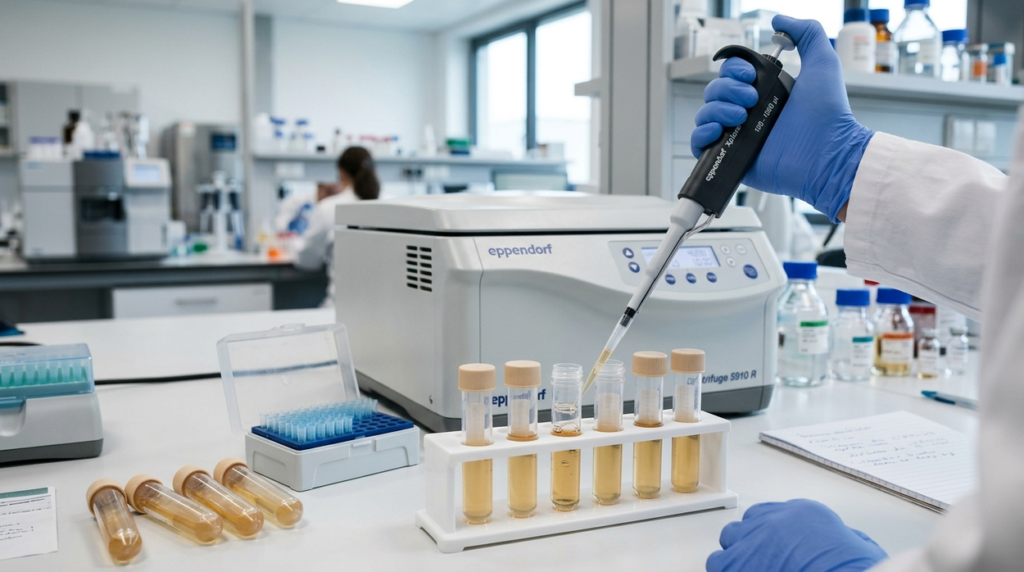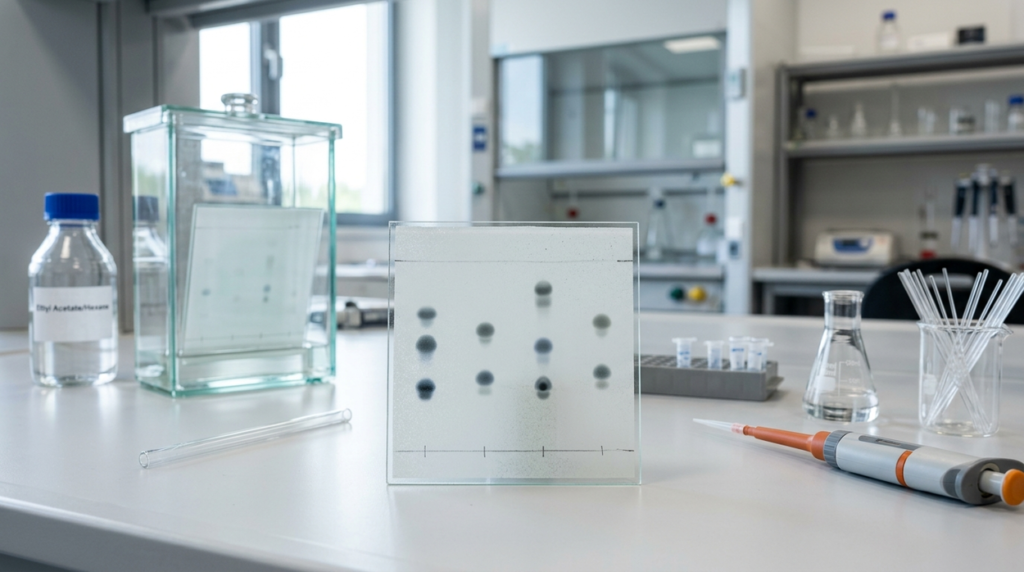
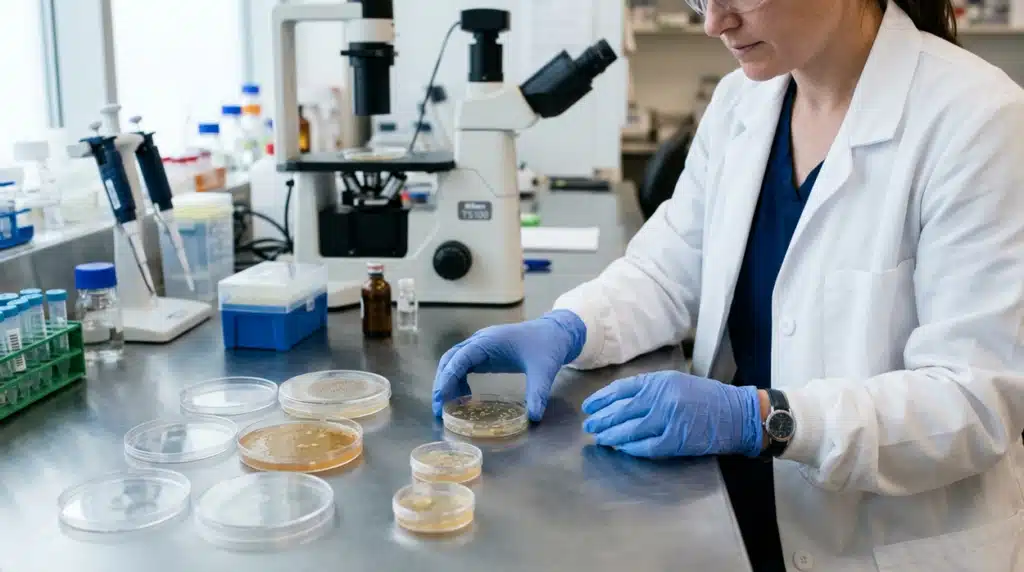
Choosing the right Petri dish for cell culture is an important part of experimental planning. Although many laboratory dishes look similar, differences in material, surface treatment, dimensions, lid design, sterility, and optical properties can affect how well a vessel supports a particular research workflow. Selecting an unsuitable dish may introduce avoidable variability, complicate cell handling, or limit the quality of microscopy observations.
One important distinction is that a conventional bacteriological Petri dish is not automatically suitable for every cell culture application. A dish intended for microbial growth may not have the surface characteristics required for reliable attachment of mammalian cells. Similarly, a vessel that supports routine cell growth may not provide the optical properties needed for high-resolution imaging.
For pharmaceutical and biotechnology laboratories, appropriate vessel selection contributes to experimental reproducibility, efficient use of culture media, and consistent laboratory workflows. Researchers must consider the cell type, growth requirements, experimental endpoint, and incubation conditions before purchasing laboratory consumables.
This guide explains seven key factors to consider when selecting a Petri dish for cell culture, from material and surface compatibility to supplier consistency and total operational cost.
1. Choose the Right Dish Material for Your Cell Culture Application
The material of a Petri dish influences its transparency, handling characteristics, durability, and suitability for different laboratory procedures. Polystyrene is widely used for disposable laboratory dishes, while glass formats are useful for selected microscopy and specialized applications.
Polystyrene Petri dishes for routine laboratory applications
Disposable polystyrene Petri dishes are common in research laboratories because they are lightweight, transparent, and available in multiple sizes and packaging formats. Many are supplied sterile, making them convenient for workflows that require ready-to-use consumables.
However, the material alone does not determine whether a dish is suitable for cell culture. General-purpose polystyrene dishes and dishes specifically manufactured for tissue culture may have different surface properties. Researchers should therefore verify the manufacturer’s intended use rather than assuming that every clear plastic dish supports mammalian cell attachment.
Polystyrene dishes can be appropriate for routine culture, sample observation, and other laboratory procedures when their specifications match the application. For specialized imaging, chemical exposure, or demanding culture conditions, additional material and compatibility checks may be necessary.
Glass dishes for specialized microscopy and laboratory workflows
Glass offers useful optical characteristics for certain microscopy applications and can be compatible with selected imaging techniques. Reusable glass Petri dishes may also be suitable for laboratory procedures that require cleaning and sterilization between uses.
These advantages come with practical considerations. Glass dishes can break, require appropriate cleaning and sterilization procedures, and may have geometry that is unsuitable for particular microscope configurations.
A glass-bottom culture dish is different from an ordinary glass Petri dish. It typically incorporates a defined optical window intended to facilitate microscopy of cells growing in the vessel. Its suitability depends on the optical requirements of the experiment and the imaging system.
Before choosing a material, consider the intended culture method, chemical compatibility, cleaning requirements, and whether the dish will be used primarily for growth, observation, or high-resolution imaging.
2. Match the Surface Properties to the Type of Cells Being Cultured
Surface characteristics are among the most important considerations when selecting a Petri dish for cell culture. Cells differ in their ability to attach to surfaces, and a dish that works well for one cell model may be unsuitable for another.
When tissue-culture-treated surfaces are necessary
Many adherent mammalian cells require a suitable surface to attach, spread, and proliferate under appropriate culture conditions. Tissue-culture treatment modifies the surface properties of the vessel, commonly by increasing its wettability and supporting interactions between the culture surface and cells.
A tissue-culture-treated Petri dish is commonly used for routine expansion of adherent cell lines and for selected cell-based experiments. The treatment is intended to support cell attachment, but it does not guarantee that every cell type will grow equally well on the surface.
Researchers should confirm that the product is explicitly designated for tissue culture and check its stated compatibility with the intended application. Sterility and surface suitability are separate characteristics: a sterile dish can still lack the surface properties required by an adherent cell model.
When untreated or specially coated surfaces may be appropriate
Untreated dishes can be suitable for applications in which strong cell attachment is unnecessary or undesirable. Depending on the experimental objective, they may also be used for certain microbial procedures or other laboratory workflows.
Some primary cells and specialized cell models require additional surface coatings. Depending on the cell type and validated protocol, these may include collagen, fibronectin, laminin, or other extracellular matrix components. Such coatings can influence attachment and cell behavior, so they should be selected according to the experimental requirements rather than applied automatically.
Suspension cells generally do not require an attachment-promoting surface for routine maintenance. However, an assay involving suspension cells may still require a specialized vessel or surface to achieve its intended endpoint.
Practical takeaway: Select the culture surface according to the cell model and validated protocol, not simply the product description, packaging, or unit price.
3. Select the Correct Dish Diameter, Growth Area, and Culture Volume
Dish dimensions influence the number of cells that can be maintained, the amount of medium required, and the ease of routine handling. Selecting an appropriate size helps laboratories plan seeding densities and maintain consistency between experimental groups.
Match dish diameter to the required cell population
The diameter of a dish affects its available growth area, but diameter alone does not describe the entire usable culture surface. Internal geometry and the manufacturer’s specifications should also be considered.
For adherent cells, the available growth area helps determine how many cells can be seeded at a particular density. Researchers should calculate seeding requirements using the documented growth area and the density specified in the protocol.
Confluence—the proportion of the culture surface occupied by adherent cells—should be interpreted in relation to the cell type and experimental objective. Some experiments require cells at a particular confluence, while other protocols use defined cell numbers or growth stages. There is no single confluence target appropriate for every cell model.
🏢 Featured Biotech Industry Partner
Looking for verified and trusted biotechnology equipment partners related to this topic? Explore our comprehensive directory.
Explore Directory →Using different dish sizes within the same study without adjusting seeding calculations can introduce variation in cell density, nutrient availability, and experimental timing.
Determine appropriate medium volume and handling requirements
Culture medium volume influences liquid depth, nutrient availability, waste-product accumulation, and the potential effects of evaporation. The appropriate volume depends on the vessel’s geometry, the cell model, the duration of culture, and the experimental procedure.
A laboratory should follow its validated protocol and the manufacturer’s recommendations rather than applying one universal medium volume to all Petri dishes. Consistent volumes across comparison groups are particularly important when evaluating cell growth, treatment responses, or other quantitative endpoints.
Handling requirements matter as well. Researchers should check whether the dish allows practical access for pipettes, aspiration tools, and cell-transfer procedures without unnecessary disturbance of the culture.
Consider laboratory equipment and workflow compatibility
Before purchasing a new dish format, confirm that it fits the laboratory’s incubator shelves, microscope stage, imaging equipment, storage systems, and any automated handling equipment used in the workflow.
Standardizing dish dimensions across routine experiments can simplify inventory management and reduce avoidable procedural differences. For laboratories running large studies or standardized assays, these operational details can be just as important as the dish’s nominal size.
4. Evaluate Sterility, Packaging, and Contamination-Control Requirements
A sterile Petri dish for laboratory use can reduce the risk associated with introducing contaminants through the vessel itself, but sterility must be considered alongside packaging integrity, handling practices, and the product’s intended application.
Verify the sterility status and intended use
Check whether the dish is supplied sterile or requires cleaning and sterilization before use. Review the manufacturer’s stated sterilization method and any available information about sterility assurance, product quality, and intended applications.
A sterile product is not necessarily suitable for every cell culture method. For example, a sterile bacteriological dish may not provide the surface treatment required for adherent mammalian cells.
Sterility also does not guarantee that contamination will never occur. Contaminants can be introduced during storage, transport, handling, or culture procedures. Laboratories should follow appropriate aseptic techniques and risk-based biosafety practices, as described in the World Health Organization’s Laboratory Biosafety Manual.
Assess packaging and aseptic handling
Individually wrapped dishes may be convenient when a laboratory uses relatively few vessels at a time or needs to minimize the handling of unused consumables. Bulk packaging may suit high-throughput laboratories with established aseptic workflows.
The appropriate format depends on usage frequency, storage capacity, and the laboratory’s contamination-control procedures.
Before use, inspect packaging for damage and follow the manufacturer’s storage instructions. Open the package using the laboratory’s established aseptic technique, and avoid unnecessary exposure of unused dishes to the surrounding environment.
Check traceability and quality documentation
For research laboratories, traceability supports investigation when an unexpected result or contamination event occurs. At a minimum, purchasing teams should consider whether the product has clear identification, a lot number, and accessible technical documentation.
Quality-sensitive environments may require additional supplier qualification records or documentation under an internal quality management system. The specific requirements depend on the intended use and applicable regulations; not every research-grade consumable requires the same certification.
5. Consider Lid Design, Ventilation, and Environmental Conditions
The lid is not merely a cover. Its design can influence gas exchange, evaporation, and how the culture interacts with the incubation environment.
Understand the differences between vented and non-vented lids
Some culture dishes use vented lids or other design features intended to facilitate gas exchange. Other designs limit exchange with the surrounding environment to a greater extent.
The appropriate choice depends on the vessel, the culture medium, the cell model, and the incubation system. For example, many mammalian cell culture workflows rely on controlled temperature and CO₂ conditions to maintain the culture environment. A dish should be compatible with the laboratory’s validated incubation setup.
Do not assume that a vented lid is always better. The effect of ventilation depends on the complete culture system, including the lid geometry, incubator conditions, and required environmental stability.
Manufacturer documentation can help establish whether a particular design is intended for the planned application. If a workflow requires specialized gas control, a conventional Petri dish may not provide the necessary environmental management.
Evaluate evaporation and media stability
Evaporation can reduce culture medium volume and change the concentration of dissolved components. Depending on the extent of water loss, it may also affect osmolality and other conditions relevant to cell growth.
The risk depends on factors such as incubation duration, humidity, vessel geometry, medium volume, and how the lid is designed. Long-duration experiments deserve particular attention because small differences in environmental conditions can accumulate over time.
To reduce avoidable variability:
- Maintain consistent medium volumes across comparable experimental groups.
- Use the incubation conditions specified in the validated protocol.
- Check whether the vessel design is suitable for the intended duration of culture.
- Monitor cultures for unexpected changes in volume or appearance.
- Avoid changing lid designs or vessel formats midway through a study without assessing the implications.
These precautions are particularly relevant when comparing treatment groups or conducting extended cell culture experiments.
Match the vessel to the required incubation conditions
Before selecting a dish, identify the required temperature, humidity, gas composition, and incubation duration. Confirm that the vessel and lid design are compatible with those conditions.
A standard dish may be sufficient for a routine workflow, while specialized cell models or tightly controlled experiments may require a dedicated culture vessel. The decision should be based on the validated procedure rather than on lid appearance alone.
6. Check Optical Clarity and Compatibility With Observation or Imaging
Optical compatibility matters whenever researchers need to examine cell morphology, quantify fluorescence, monitor live cells, or acquire high-resolution images.
🏢 Featured Biotech Industry Partner
Looking for verified and trusted biotechnology equipment partners related to this topic? Explore our comprehensive directory.
Explore Directory →Determine whether routine visual inspection is sufficient
For routine culture monitoring, a transparent dish may provide adequate visibility for assessing cell attachment, morphology, and general culture appearance.
However, transparency alone does not guarantee suitable imaging performance. Researchers should consider the microscope’s working distance, objective design, vessel-bottom thickness, and access to the culture surface.
A dish that works well for visual inspection may still be unsuitable for quantitative fluorescence microscopy or other demanding imaging methods.
Identify when specialized imaging dishes are required
Live-cell imaging, fluorescence microscopy, and high-resolution microscopy may require a vessel with a defined optical surface. Glass-bottom culture dishes are commonly used when the imaging system is designed to observe cells through a coverslip-like substrate.
The optical interface between the vessel and the microscope objective matters. As explained in the Harvard Medical School imaging-core guidance on coverslips and coverslip-bottom dishes, coverslip thickness can influence image quality because microscope objectives are designed around particular optical conditions.
Before purchasing imaging dishes, verify:
- The material and thickness of the optical bottom.
- Compatibility with the microscope objective and its working distance.
- Coverslip thickness requirements where applicable.
- Compatibility with immersion oil or other imaging media, if used.
- Whether the vessel supports the intended live-cell or fixed-sample workflow.
- Compatibility with the required culture surface treatment or coating.
These checks are especially important when working with high-numerical-aperture objectives or imaging methods sensitive to optical aberrations.
Avoid confusing culture suitability with imaging suitability
A vessel can support healthy cell growth without being appropriate for a particular imaging method. Conversely, an imaging-specific dish may require additional consideration of cell attachment, coating compatibility, or handling.
When a new vessel is introduced into an established imaging workflow, test it with the intended microscope and representative samples before committing to a large experimental batch.
7. Assess Cost, Supply Reliability, and Consistency Between Batches
Technical suitability should come first, but purchasing decisions also influence laboratory efficiency and continuity of research. The lowest unit price does not necessarily represent the lowest overall cost.
Compare total operational cost rather than unit price alone
Evaluate the cost per usable dish alongside packaging quantity, storage needs, handling losses, and compatibility with existing equipment.
A less expensive product may create additional work if it requires different handling procedures, does not fit the laboratory’s imaging system, or cannot support the required culture surface. Conversely, a more specialized vessel may be unnecessary for a routine application.
The objective is to identify the most appropriate consumable for the required workflow, not to select the most expensive or least expensive option by default.
Evaluate supplier consistency and documentation
Reliable supply is important for laboratories running long-term studies, repeated assays, and standardized workflows. Procurement teams should assess product availability, technical support, lot identification, and access to current specifications.
Where applicable, ask suppliers how they communicate product changes that could affect performance. Changes in material, surface treatment, geometry, or manufacturing specifications may warrant an assessment before a replacement is introduced into a critical experiment.
These considerations align with broader pharmaceutical and biotechnology quality practices, where control over materials and process changes helps protect consistency. The degree of formal qualification required should reflect the intended application and the laboratory’s quality system.
Establish a qualification process for new dishes
When introducing a new dish or supplier, define the intended application and acceptance criteria before making the change.
Depending on the experiment, a comparison with the currently used product may evaluate:
- Cell attachment, morphology, and growth performance.
- Compatibility with the culture medium and incubation conditions.
- Contamination observations during routine use.
- Imaging quality and compatibility with the existing equipment.
- Handling characteristics and consistency between lots.
Not every application requires a comprehensive validation study. The assessment should be proportionate to the scientific importance of the work and the likelihood that vessel differences could affect the results.
Document relevant findings and update the laboratory’s approved consumables list where appropriate. For critical assays, a planned comparability assessment is preferable to an unrecorded substitution during an ongoing study.
How to Match Petri Dish Specifications to Common Laboratory Applications
Different laboratory applications place different demands on the culture vessel. The following table provides a starting point for selecting a suitable dish.
| Laboratory application | Main selection considerations |
| Routine adherent mammalian cell culture | Tissue-culture-treated surface, growth area, sterility, and medium compatibility |
| Primary cell culture | Cell-specific attachment requirements, coating compatibility, and protocol validation |
| Suspension cell work | Appropriate culture format, handling requirements, and compatibility with the intended method |
| Fluorescence or live-cell imaging | Optical properties, imaging-system compatibility, and vessel geometry |
| Microbiology workflows | Appropriate dish specification, medium compatibility, sterility, and intended microbiological method |
| Long-duration culture experiments | Evaporation control, incubation compatibility, and consistency between batches |
These are starting points, not universal specifications. A primary cell model may need a particular coating, while a suspension-cell experiment may be better suited to a flask or another vessel designed for suspension culture.
Likewise, a multiwell plate may be more practical for parallel assays, and a dedicated imaging vessel may be preferable when optical performance is critical.
🏢 Featured Biotech Industry Partner
Looking for verified and trusted biotechnology equipment partners related to this topic? Explore our comprehensive directory.
Explore Directory →The final choice should always be checked against the experimental protocol and the manufacturer’s technical documentation.
Common Petri Dish Selection Mistakes That Can Affect Experimental Reliability
Even when a dish appears suitable, overlooking one specification can create unnecessary problems.
Assuming every sterile Petri dish supports adherent cell growth
Sterility and surface suitability are different properties. A dish can be sterile without having the surface treatment needed for reliable attachment of a particular mammalian cell model. Always confirm the stated surface specification.
Choosing dish dimensions without considering growth area
Nominal diameter alone is not enough to determine the usable growth area. Using dishes with different growth areas can affect seeding calculations and experimental comparability. Standardize vessel dimensions within a study unless the protocol specifies otherwise.
Overlooking imaging and incubation requirements
A dish may fit the incubator but be incompatible with the microscope objective, automated imaging platform, or environmental conditions required by the experiment. Confirm these requirements before ordering large quantities.
Switching suppliers without assessing comparability
Two dishes with similar dimensions may differ in surface treatment, lid geometry, or optical properties. If these differences could affect the experimental endpoint, assess the replacement before using it in critical work. Record meaningful changes and update purchasing specifications when necessary.
Conclusion
Selecting a Petri dish for cell culture requires more than choosing a familiar size or a sterile product. Material, surface properties, growth area, sterility, ventilation, optical compatibility, and supplier consistency all contribute to determining whether a dish is suitable for a particular laboratory workflow.
The most important principle is to match the vessel to the cell model, experimental endpoint, and incubation environment. A conventional bacteriological dish, a tissue-culture-treated dish, and a glass-bottom imaging dish serve different purposes and should not be treated as interchangeable.
Before purchasing, establish the required specifications, verify them against manufacturer documentation, and confirm compatibility with the laboratory’s equipment and validated protocol. When changing a product used in established experiments, assess comparability where vessel characteristics could influence the results.
A fit-for-purpose selection process helps laboratories reduce avoidable variability, maintain consistent workflows, and support more reproducible research.
Frequently Asked Questions
1. What is the difference between a regular Petri dish and a tissue-culture-treated dish?
A regular Petri dish may be intended for general laboratory or microbiological applications, whereas a tissue-culture-treated dish has a modified surface designed to support attachment of many adherent cells. A sterile general-purpose dish is not automatically suitable for mammalian cell culture.
2. Which Petri dish material is suitable for routine cell culture?
Polystyrene is widely used for disposable cell culture dishes because it is lightweight and transparent. For adherent mammalian cells, select a product specifically designed for tissue culture. Glass-bottom dishes may be more appropriate for specialized microscopy, depending on the imaging requirements.
3. How do I choose the correct Petri dish size for cell culture?
Consider the required cell number, growth area, seeding density, culture duration, medium volume, and available laboratory equipment. Use the manufacturer’s documented growth area and follow the validated protocol to determine the appropriate vessel size.
4. Are all sterile Petri dishes suitable for mammalian cell culture?
No. Sterility indicates that the product has undergone a specified sterilization process and meets its applicable sterility requirements. It does not establish that the surface supports cell attachment or that the vessel is compatible with the intended culture and imaging methods.
5. When should a glass-bottom dish be used instead of a standard Petri dish?
A glass-bottom dish is useful when microscopy requires a defined optical surface, particularly for certain fluorescence and high-resolution imaging applications. Check the bottom thickness, objective compatibility, surface treatment, and imaging protocol before selecting the dish.